
The dizzy and anxious
Vertigo and dizziness are real, and they respond to the right treatment. Dizziness is a whole body and capacity problem, so we start with a really accurate assessment and define exactly what is going on.
Dizziness is a whole body and capacity problem, so we start with a really accurate assessment and define exactly what's going on. Then you get the plan, written down, and the same clinician every visit until you're moving forward.
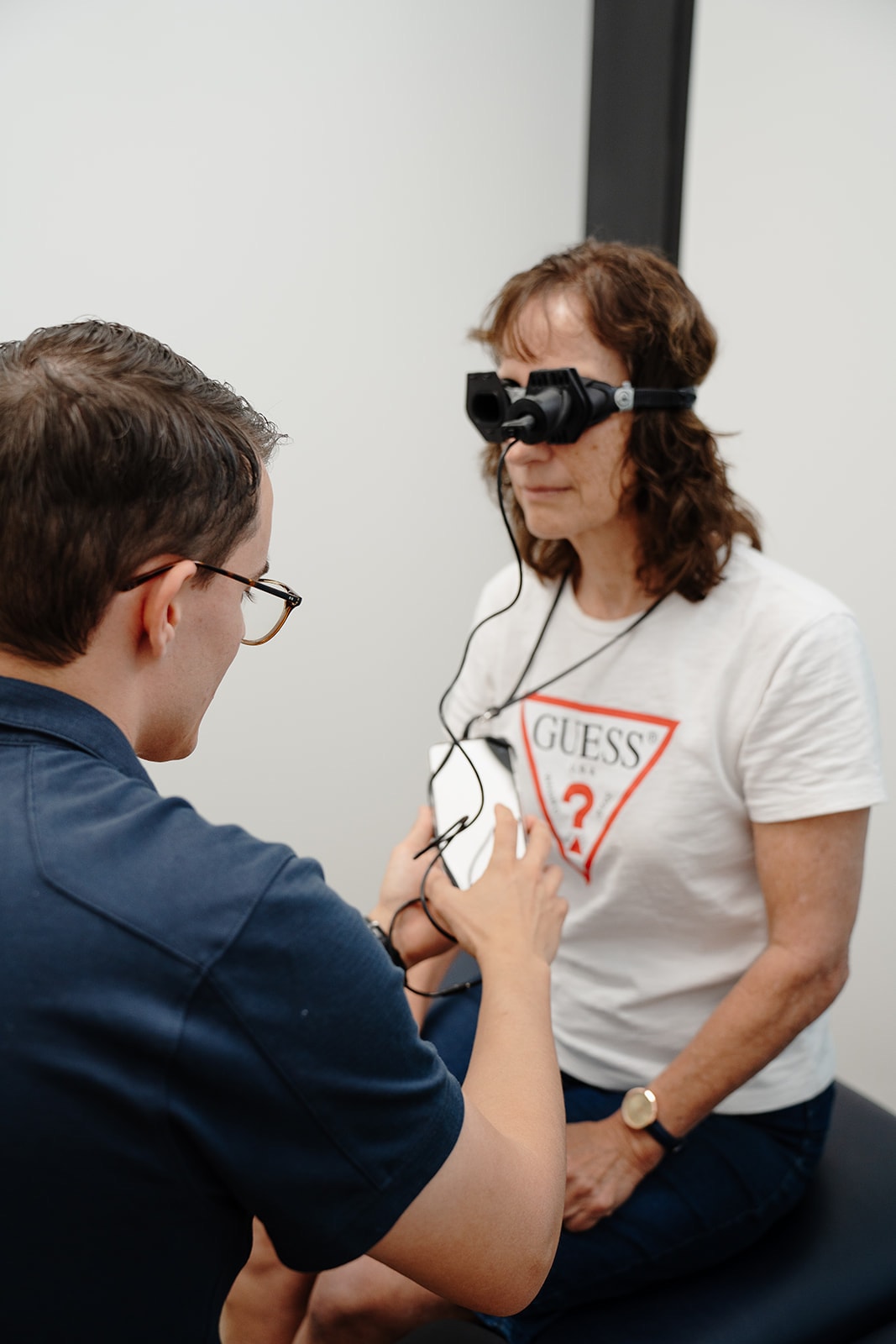
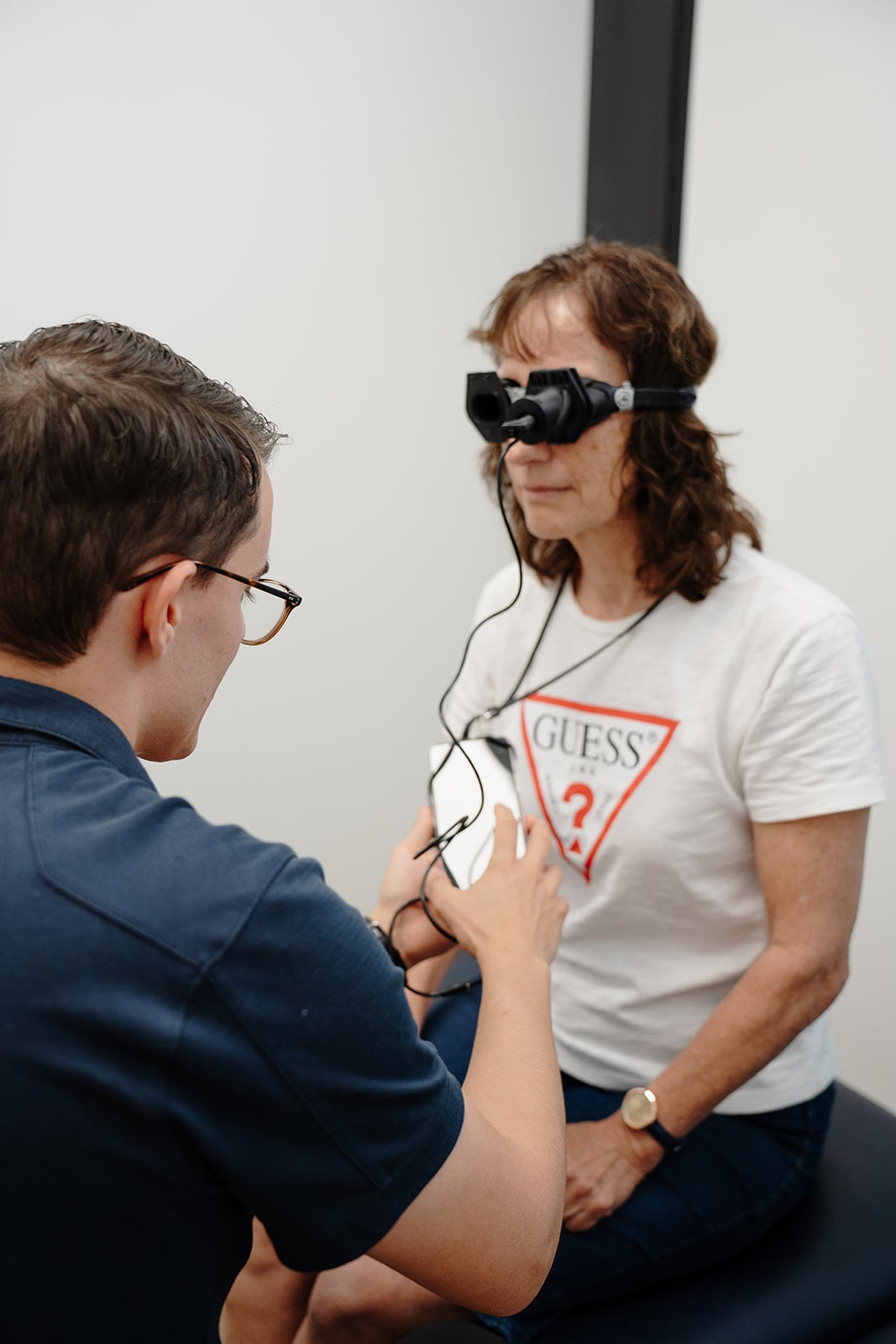
Your first session starts with a detailed interview, where we ask questions around your symptoms, when they started, how long they last for, and other factors that influence them. Then the assessment. We use Vesticam goggles to properly assess dizziness.
The goggles block your vision so your eyes have nothing to fix on, and a camera records what they do while we move your head and body through the positions that matter. That's how we find the cause instead of guessing at it, and it's why the assessment gets its own 45 minutes.
The assessment is what tells them apart.
Zac Cronk leads our vestibular work.
Vertigo and dizziness are real, and they respond to the right treatment. Dizziness is a whole body and capacity problem, so we start with a really accurate assessment and define exactly what is going on.
Bring your referral and we'll keep your doctor in the loop, with the assessment findings and the plan. You don't need a referral to book with us.
If turning in bed or looking up sets off short bursts of spinning, that pattern has a name and a specific treatment. Book a vestibular assessment rather than a general one, so the right time is set aside.
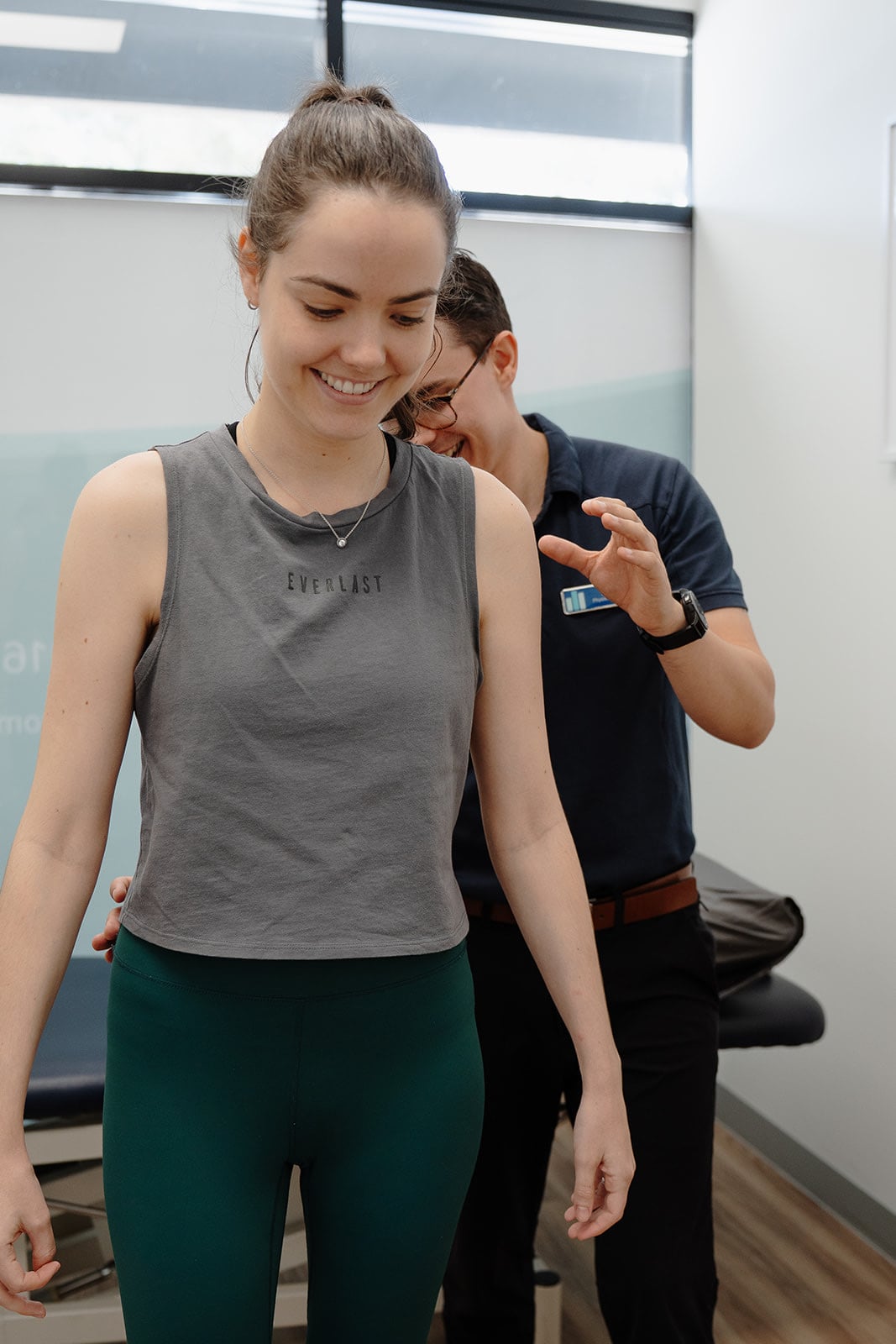
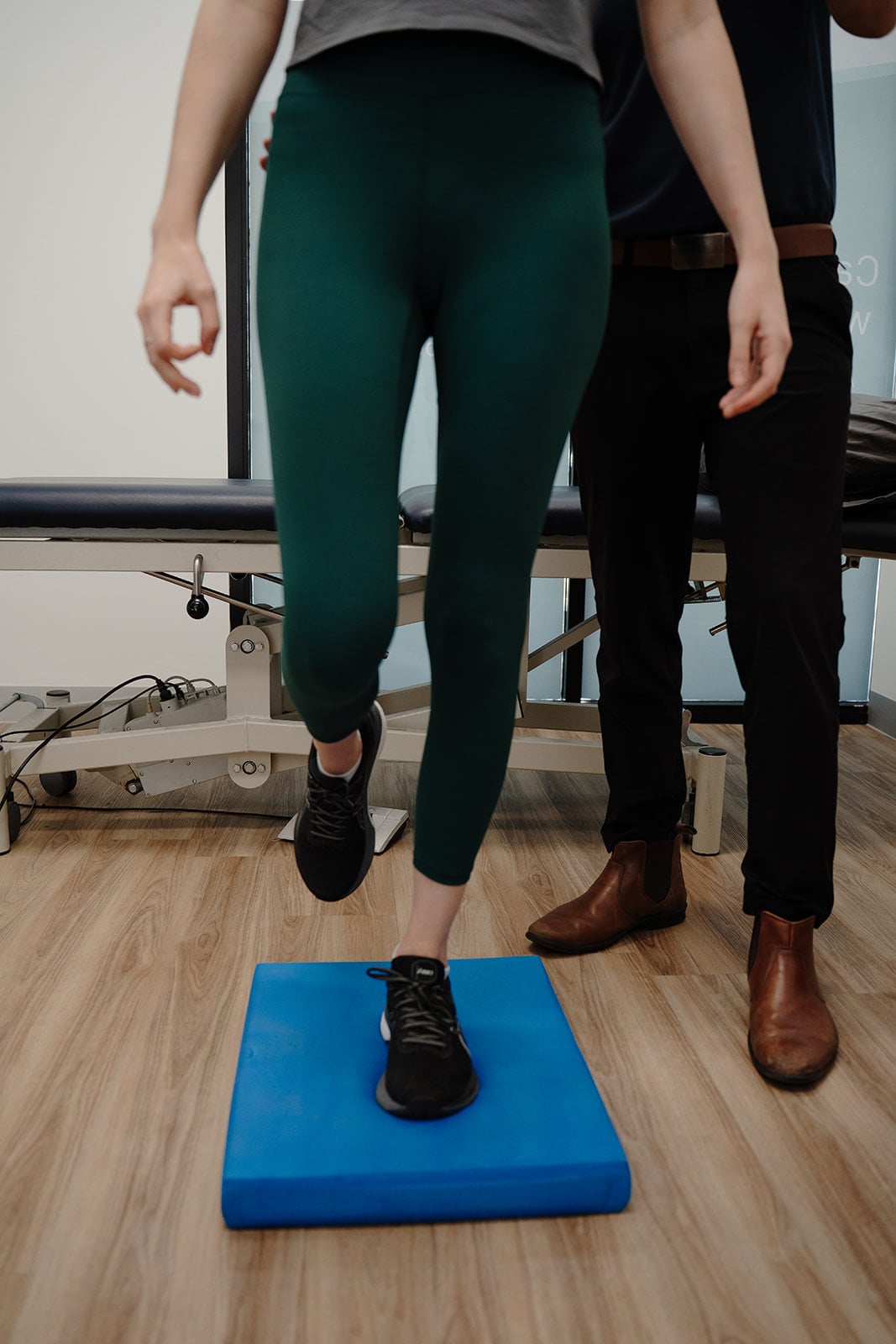
We start with a proper assessment to find the cause, then combine exercises, techniques and manual therapy to reduce symptoms, improve balance and coordination, and help you regain your independence. What you need depends on what we find.
Book a vestibular assessment online, or call the clinic and we'll talk it through first. Bring your GP referral if you have one.